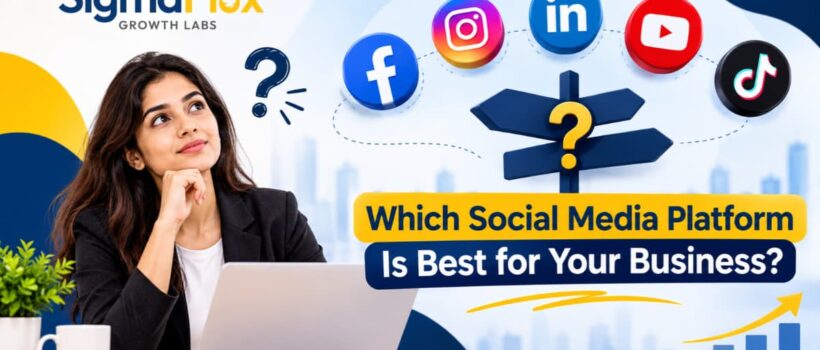

Which Social Media Network Is Ideal for Your Company? A Guide to Choosing the Right Channel
Choosing a social media platform is an important decision for businesses investing in digital marketing. While some companies depend on visual content to showcase products, others need professional networks to connect with business buyers. The right choice depends on who you want to reach, what you offer, and how you plan to generate enquiries.
India’s growing digital audience provides businesses with several opportunities to build their online presence. However, maintaining accounts across every platform does not automatically translate into better marketing results. Understanding the strengths of each channel can help companies direct their resources towards audiences that matter.
The answer depends on the relationship a business wants to build with its audience. A retailer may want customers to discover products, whereas an industrial supplier may need conversations with procurement teams and company decision-makers.
Facebook can support local promotions, community interaction, business updates, and advertising campaigns. It can be useful for retailers, restaurants, educational institutions and service providers that want to communicate with a broad customer base.
Instagram offers a more visual environment where companies can present products, share Reels, publish Stories and develop their brand identity. Fashion businesses, lifestyle brands, restaurants and ecommerce stores can use these formats to demonstrate what they offer.
Neither platform is automatically better for every company. A local retailer may benefit from maintaining both, while a business with limited content resources might initially concentrate on the channel that attracts more relevant enquiries.
For manufacturers, software providers, consultants and corporate service companies, LinkedIn offers a platform for sharing industry knowledge and developing professional relationships.
A manufacturing business, for example, can publish technical updates, product information, company achievements, and application-based content. This allows potential business contacts to understand its capabilities before starting a conversation.
LinkedIn is therefore a strong consideration for businesses selling to other organizations, particularly when their buying decisions involve multiple stakeholders.
Some products and services require more explanation than a photograph or short promotional message can provide. YouTube gives businesses an opportunity to publish tutorials, demonstrations, educational videos, and detailed presentations.
A software company can demonstrate how its application works, while an equipment manufacturer can explain product features and practical applications.
Short-form video content can also complement longer educational videos, allowing businesses to communicate different types of information through video.
India’s digital market provides a useful starting point when evaluating social media opportunities.
According to advertising planning data compiled in the Digital 2026 India report, Instagram had a potential advertising audience of approximately 481 million in India in late 2025. Facebook’s potential advertising reach was around 403 million, while YouTube’s was approximately 500 million.
LinkedIn reported approximately 170 million registered members in India in late 2025. However, LinkedIn’s membership figures and the advertising reach figures of other platforms measure different things, so they should not be treated as directly comparable active-user numbers.
These figures demonstrate the scale of available audiences, but audience size alone cannot determine whether a platform will generate business.
A company selling industrial machinery may find a smaller professional audience more valuable than a much larger general audience. Similarly, an ecommerce brand may prioritize visual discovery and product engagement.
The important question is not simply how many people use a platform, but whether the right potential customers are present there.
Small businesses and ecommerce brands can explore Facebook and Instagram for product promotion and customer engagement. Manufacturers and B2B companies should consider LinkedIn for professional visibility. Local service providers can combine social media with an accurately maintained Google Business Profile.
Finding a business is only the beginning of the customer journey. Interested visitors may want to explore a website, request a quotation or ask questions before making a decision.
Connecting social media campaigns with website enquiry forms and WhatsApp communication can make this process easier to manage.
Businesses should review website visits, relevant interactions, incoming enquiries, and qualified leads when evaluating campaign performance.
A platform generating fewer interactions may still be commercially valuable if it attracts customers who are genuinely interested in the company’s services.
Social media should work alongside other digital channels rather than operate as an isolated marketing activity.
SEO and website development help businesses attract organic visitors and provide a clear destination for people researching their services. Google Ads can support paid search campaigns, while Google Business Profile management helps local businesses maintain their online information.
LinkedIn marketing facilitates B2B exposure and professional outreach. WhatsApp services can assist with customer conversations and enquiry follow-ups. Social media management helps maintain consistent communication, while customized software can organize leads and support customer management.
For businesses looking to connect these activities, Sigmaflux Agency provides website development, SEO, Google Ads, Google Business Profile management, social media marketing, WhatsApp solutions, LinkedIn marketing, and software development.
There is no universal winner when deciding which social media platform is best for business. Facebook and Instagram can support consumer-facing brands, LinkedIn is relevant to B2B companies, and YouTube provides opportunities for product education and demonstrations.
The right decision comes from understanding your customers, selecting suitable channels, and measuring the enquiries they generate. Businesses that connect social media with their wider digital marketing activities can build a more consistent customer acquisition strategy.
Are you trying to decide which platforms are best for your company? Connect with Sigmaflux Agency to plan a digital marketing strategy aligned with your growth objectives.
Facebook and Instagram are useful starting points for many small businesses, particularly those promoting products and local services. The final choice should depend on customer preferences and the type of content the business can produce.
Instagram is particularly useful for visual storytelling and product presentation, while Facebook supports community interaction, local promotions and advertising. Businesses can use both when their audiences and resources justify it.
LinkedIn is a strong option for B2B companies seeking professional connections, industry visibility and business enquiries. Educational content and relevant outreach can support this approach.
Instagram and Facebook are useful for showcasing products, running campaigns and engaging shoppers. YouTube can complement them through product demonstrations and tutorials.
There is no fixed requirement. Starting with one or two relevant platforms allows businesses to concentrate on content quality, audience engagement and campaign performance before expanding.
Yes. Businesses can attract potential customers through useful content, advertising, and promotional campaigns. Connecting these activities with a website or WhatsApp makes it easier to handle incoming enquiries.