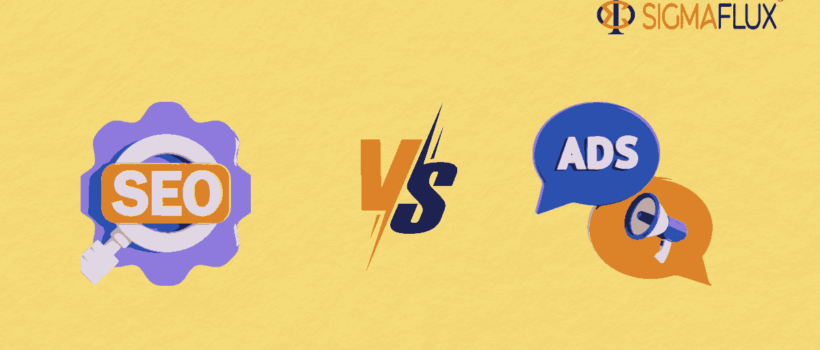

In digital marketing, two primary strategies dominate the conversation: SEO and Google Ads. Both have unique strengths and can significantly impact your online presence. But when deciding where to allocate your resources, it’s crucial to understand their differences, benefits, and which strategy aligns best with your business goals. This comprehensive guide delves into the intricacies of SEO vs Google Ads, helping you make an informed decision for your digital marketing strategy.
In today’s competitive digital landscape, businesses must leverage effective marketing strategies to stand out and attract customers. Two popular approaches are SEO vs Google Ads. SEO focuses on improving your website’s visibility in organic search results, while Google Ads is a pay-per-click (PPC) advertising platform that displays your ads to potential customers. Both strategies have their merits and can drive significant traffic to your website. However, understanding the differences between SEO vs Google Ads will help you decide which one to prioritize.
Search Engine Optimization (SEO) is the process of optimizing your website to rank higher in organic search results on search engines like Google. The primary goal of SEO is to increase visibility, attract more organic traffic, and ultimately drive conversions. SEO involves various techniques and strategies, including keyword research, on-page optimization, technical SEO, and link building.
On-page SEO refers to optimizing individual web pages to rank higher and earn more relevant traffic. This includes:
Off-page SEO focuses on activities outside your website to improve its authority and rankings. This includes:
One of the significant advantages of SEO is its long-term benefits. Once your website achieves high rankings, it can maintain its position with minimal ongoing effort. The organic traffic generated through SEO is cost-effective and sustainable, providing a high return on investment (ROI) over time. Additionally, SEO helps build brand credibility and trust, as users tend to trust organic search results more than paid ads.
Google Ads, formerly known as Google AdWords, is a pay-per-click (PPC) advertising platform that allows businesses to create and display ads on Google’s search engine results pages (SERPs) and other Google properties. Advertisers bid on keywords, and when users search for those keywords, their ads appear at the top or bottom of the SERPs. Advertisers pay a fee each time their ad is clicked, hence the term “pay-per-click.”
Google Ads offers various campaign types to suit different marketing goals:
One of the primary benefits of Google Ads is the ability to achieve immediate results. Unlike SEO, which can take months to see significant results, Google Ads can drive traffic to your website as soon as your campaign is live. This makes Google Ads an excellent choice for businesses looking to generate quick leads and sales.
However, the cost of Google Ads can add up quickly, especially in competitive industries. Advertisers must continuously monitor and optimize their campaigns to ensure a positive ROI. Additionally, the moment you stop paying for ads, your traffic will decrease, unlike SEO, which provides long-lasting results.
When comparing SEO vs Google Ads in terms of cost, it’s essential to consider both short-term and long-term expenses. SEO typically requires an initial investment in content creation, website optimization, and link building. While these costs can be substantial, the long-term benefits of organic traffic often outweigh the initial investment.
On the other hand, Google Ads requires a continuous budget to maintain traffic and visibility. The cost per click (CPC) can vary significantly depending on the competitiveness of your keywords. While Google Ads can deliver immediate results, it can become expensive over time, especially if not managed effectively.
SEO vs Google Ads differ significantly in terms of the time it takes to see results. SEO is a long-term strategy that requires patience and persistence. It can take several months to achieve high rankings and significant organic traffic. However, the long-term benefits of sustained organic traffic make SEO a worthwhile investment.
In contrast, Google Ads can deliver immediate results. As soon as your campaign is live, your ads can start driving traffic to your website. This makes Google Ads an excellent option for businesses looking to generate quick leads and sales.
SEO offers long-term benefits that can provide sustained organic traffic and a high ROI over time. Once your website ranks well, it can maintain its position with minimal ongoing effort. Additionally, organic search results tend to build more trust and credibility with users compared to paid ads.
Google Ads, on the other hand, offers short-term benefits with immediate results. As long as you have the budget to run ads, you can drive traffic to your website. However, once you stop paying for ads, your traffic will decrease. Google Ads is ideal for businesses looking for quick wins and immediate results.
SEO vs Google Ads also differ in terms of target audience and reach. SEO focuses on attracting organic traffic from users actively searching for relevant keywords. This means the traffic generated through SEO is highly targeted and more likely to convert.
Google Ads allows you to target specific audiences based on demographics, interests, and behaviors. This level of targeting can help you reach a broader audience and drive more qualified leads. Additionally, Google Ads offers various ad formats, such as display and video ads, which can help increase brand awareness and reach.
SEO is more effective in the following situations:
Read More: How To Optimize Your Website For Voice Search
Certain industries benefit more from SEO, including:
Google Ads is more effective in the following situations:
Certain industries benefit more from Google Ads, including:
While SEO vs Google Ads have their unique strengths, integrating both strategies can provide even greater benefits. By leveraging the long-term benefits of SEO and the immediate results of Google Ads, you can create a balanced digital marketing strategy that drives sustained traffic and conversions.
To create a balanced digital marketing strategy, consider the following steps:
In the debate of SEO vs Google Ads, both strategies offer unique benefits and can drive significant traffic and conversions for your business. SEO provides long-term, sustainable traffic and builds credibility, while Google Ads delivers immediate results and allows for advanced targeting. By understanding the differences between SEO vs Google Ads and integrating both strategies, you can create a balanced digital marketing approach that maximizes your online presence and drives growth for your business.
Ultimately, the choice between SEO vs Google Ads depends on your business goals, budget, and timeline. For long-term success, investing in SEO is essential. However, if you need quick results and have the budget to support it, Google Ads can provide immediate traffic and conversions. By leveraging the strengths of both strategies, you can achieve a comprehensive and effective digital marketing strategy.
By incorporating the insights and strategies outlined in this guide, Sigmaflux can enhance its online presence, attract more customers, and achieve top rankings on Google. Whether you choose to focus on SEO, Google Ads, or a combination of both, the key is to stay informed, continuously optimize your efforts, and adapt to the ever-evolving digital landscape.